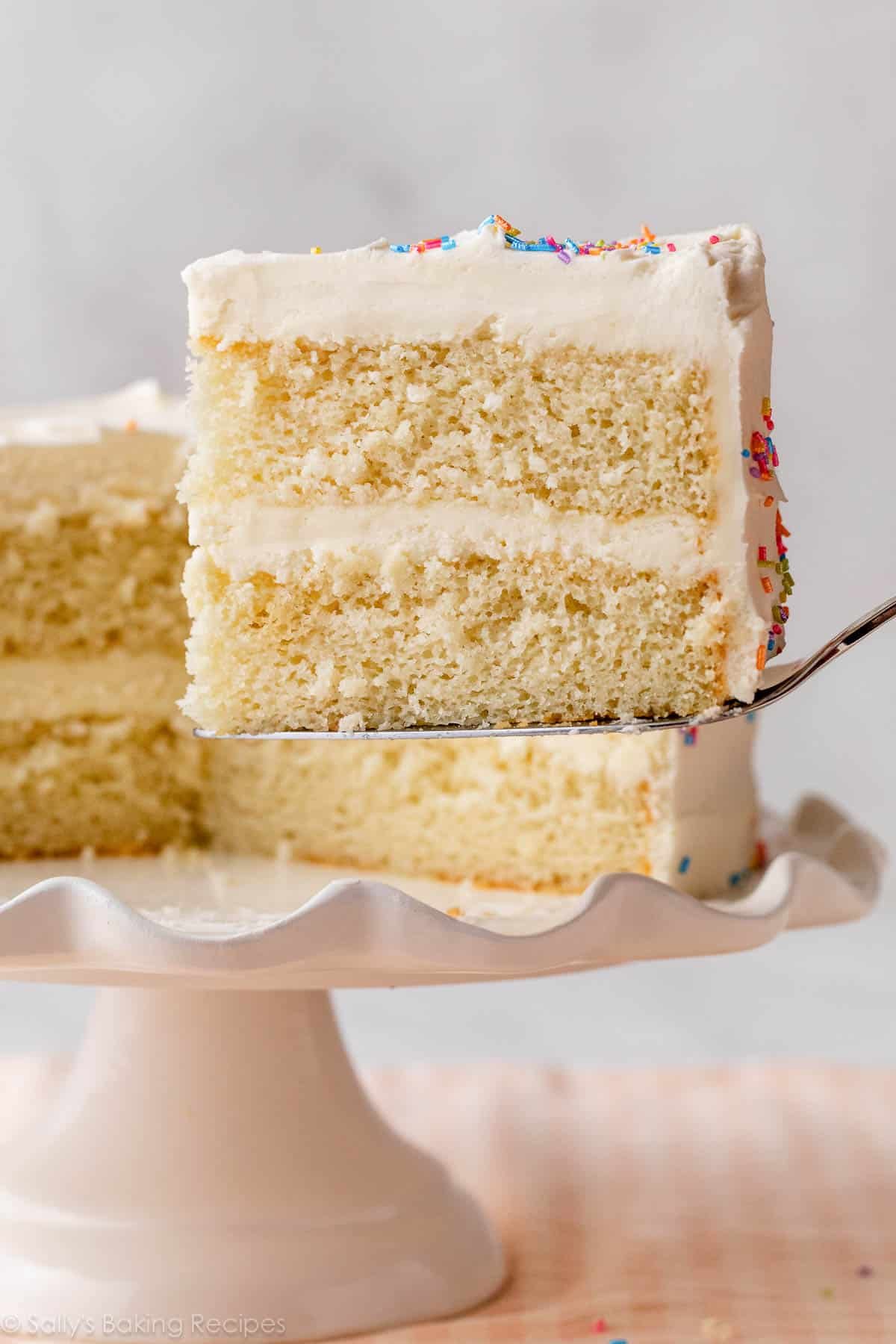
Secrets to The Best White Cake: Unveiling Tender Crumb & Buttery Vanilla Flavor
Few desserts evoke celebration quite like a classic white cake. Its pristine appearance, often adorned with delicate frosting, signals joyous occasions from birthdays and anniversaries to elegant weddings. But beyond its beautiful facade lies the true magic: a cake so moist it melts in your mouth, a crumb so tender it almost defies gravity, and a flavor profile that sings with rich, buttery vanilla notes. Achieving this seemingly simple perfection, however, is an art. It's about understanding the subtle science behind each ingredient and technique. If you've ever dreamt of baking The Best White Cake Recipe: Moist, Fluffy & Flavorful Perfection, one that consistently delivers on its promise of tender crumb and unforgettable flavor, you’re in the right place. This guide will reveal the foundational secrets to crafting a white cake that will undoubtedly become your signature recipe, loved by all who taste it.What Defines "The Best White Cake" and Why It Matters
When we talk about "the best white cake recipe," we're aiming for a very specific set of characteristics that elevate it above the ordinary. It's more than just a cake that's white; it's a sensory experience:- Unforgettable Flavor: The hallmark of an exceptional white cake is its profound, yet balanced, buttery vanilla taste. It's not just sweet; it's aromatic, rich, and deeply satisfying.
- Perfectly Tender Crumb: This is the holy grail for any cake. A truly tender crumb means the cake is soft and delicate, offering little resistance as you slice and bite into it, yet still holding its structure beautifully. It should feel luxurious on the palate, almost melting away.
- Remarkable Moisture: A dry cake is a disappointing cake. The best white cake is incredibly moist, ensuring every bite is succulent and never crumbly. This moisture contributes significantly to its tender texture and overall enjoyability.
- Fluffy and Soft: Despite its moisture and tenderness, the cake should possess a light, airy quality. It shouldn't feel dense or heavy, but rather a perfect balance of substance and delicate lightness.
- Sturdy Yet Versatile: An ideal white cake recipe is robust enough to be used as a multi-layered showstopper, yet forgiving enough to adapt into cupcakes, sheet cakes, or even elegant bundt cakes. Its structural integrity ensures easy handling, slicing, and serving, making it the Easy Homemade White Cake: Perfect for Any Celebration & Versatile for any occasion.
The Essential Ingredients: Unlocking Flavor & Crumb Perfection
Every ingredient in a white cake plays a crucial role. Understanding their individual contributions is the first step towards mastering the craft.The Power Duo of Fats: Butter and Shortening
Many traditional white cake recipes rely solely on butter, but for truly unparalleled results, a blend of butter and vegetable shortening is often the secret weapon. Here's why:
- Butter for Flavor: Unsurprisingly, butter is the primary source of that coveted rich, buttery flavor. Using high-quality butter, whether salted or unsalted based on your preference, is non-negotiable for taste. Ensure it's perfectly softened (not melted!) before you begin.
- Shortening for Texture and Color: Vegetable shortening, being 100% fat, contributes significantly to the cake's tenderness and moisture without adding any water content. Crucially, it helps maintain a whiter crumb by not introducing the yellow hue that butter alone would. It also aids in creating a stable emulsion with the other ingredients, leading to a smoother batter and a finer crumb.
The Sweetness and Structure: Granulated Sugar
Granulated sugar does more than just sweeten. It also contributes to the cake's moisture retention and helps tenderize the crumb by interfering with gluten development. When creamed with the fats, it creates air pockets essential for a light texture.
Eggs: The Whole Story
While many white cake recipes strictly call for egg whites to ensure a stark white color, opting for whole eggs can dramatically enhance the cake's flavor and richness. After extensive testing, many bakers find that the flavor contribution from the egg yolks is worth a slight creamier, off-white hue. The cake remains decidedly white, but gains a depth of flavor that is truly superior. Always use large, room-temperature eggs for better emulsification and a smoother batter.
Flour Power: All-Purpose or Cake Flour
The type of flour significantly impacts texture. For a tender cake, a lower protein flour is ideal:
- All-Purpose Flour: A good quality, soft-winter-wheat-based all-purpose flour works beautifully. Its moderate protein content strikes a balance between structure and tenderness.
- Cake Flour: If you desire an even more delicate, ultra-fine crumb, cake flour is an excellent choice. Its lower protein content and finer milling reduce gluten development. You can even make your own cake flour by substituting a small amount of all-purpose flour with cornstarch (e.g., for every cup of AP flour, remove 2 tablespoons and replace with 2 tablespoons of cornstarch).
Leavening and Balance: Baking Powder & Salt
- Baking Powder: This chemical leavener is responsible for the cake's rise, creating those delightful air pockets that contribute to its fluffy texture.
- Salt: Often overlooked, salt is vital for balancing the sweetness and enhancing all the other flavors. Use a good quality kosher salt (like Diamond Crystal) or fine sea salt. Be mindful of concentration; if using table salt or Morton's Kosher, you'll need roughly half the amount called for with Diamond Crystal.
The Liquid Gold: Whole Milk & Buttermilk
Both dairy components should be at room temperature for optimal blending:
- Whole Milk: Provides moisture and richness, contributing to a soft, hydrated crumb.
- Buttermilk: This acidic ingredient is a game-changer for tenderness and moisture. Its acidity reacts with the baking powder, boosting leavening, and its lactic acid helps break down gluten, resulting in an incredibly soft and fine crumb.
Aromatic Essence: Vanilla Extract (and Almond!)
For that signature buttery vanilla flavor, vanilla extract is paramount. Using a generous amount (at least 2 teaspoons) of high-quality pure vanilla extract will make a significant difference. For those who enjoy a subtle complexity, a blend of 1 teaspoon vanilla and 1 teaspoon almond extract can add a sophisticated nuance, though it will subtly shift the primary vanilla profile.
Mastering the Method: Techniques for a Flawless Crumb
Even with the best ingredients, incorrect technique can derail your efforts. These steps are crucial for achieving that tender, moist crumb.1. Room Temperature is Non-Negotiable
As repeatedly emphasized, ensure your butter, shortening, eggs, milk, and buttermilk are all at room temperature. This allows them to emulsify properly, creating a smooth, homogenous batter that holds air better and bakes more evenly.
2. The Creaming Method: Building Air and Structure
Begin by creaming the softened butter, shortening, and sugar together until the mixture is visibly light, fluffy, and pale. This process incorporates air, which is fundamental for a light and tender cake. Scrape down the bowl frequently to ensure even mixing.
3. Incorporating Eggs One at a Time
Add the room-temperature eggs one by one, mixing well after each addition until fully incorporated. This allows each egg to emulsify into the fat mixture properly, preventing the batter from curdling and contributing to a stable structure.
4. Alternating Dry and Wet Ingredients
This classic technique is key to a tender crumb. Begin and end with the dry ingredients. Add about one-third of the dry ingredients (flour, baking powder, salt) to the creamed mixture, mix until just combined, then add half of the liquid ingredients (milk, buttermilk, vanilla). Repeat, finishing with the last third of the dry ingredients. This method helps prevent overmixing the flour, which can lead to excessive gluten development and a tough cake.
5. The Golden Rule: Do Not Overmix!
Once the flour is added, mix only until *just combined*. Overmixing develops gluten, making the cake tough and dry. A few small lumps are preferable to an overmixed, smooth batter.
6. Pan Preparation and Baking
Prepare your cake pans meticulously by greasing, flouring, and lining the bottoms with parchment paper. This prevents sticking and ensures easy release. Bake in a preheated oven at the correct temperature. Overbaking is the quickest way to a dry cake, so start checking for doneness a few minutes before the recipe suggests. The cake is ready when a toothpick inserted into the center comes out clean, and the top springs back when gently pressed.
7. Cooling with Patience
Allow the cakes to cool in their pans for about 10-15 minutes before inverting them onto a wire rack to cool completely. Cooling slowly helps the cake settle and firm up without becoming dense. Resist the urge to frost a warm cake; patience ensures a perfect final product.
Versatility & Serving Suggestions for Your Masterpiece
Once you’ve mastered The Best White Cake Recipe: Moist, Fluffy & Flavorful Perfection, its versatility will astound you. This recipe excels in many forms:- Layer Cake: The quintessential presentation. Stack three or four layers, filling them with classic vanilla buttercream, a vibrant raspberry jam, or a tangy lemon curd for contrasting flavors.
- Cupcakes: Perfect for parties and individual servings. Frost with your favorite swirl of buttercream and sprinkles.
- Sheet Cake: An effortless way to serve a crowd. Easy to decorate and transport.
- Bundt Cake: For an elegant, less formal dessert, bake it in a decorative bundt pan. A simple glaze or a dusting of powdered sugar is often all it needs.
Pair your magnificent white cake with a rich vanilla bean buttercream, a silky cream cheese frosting, or even a light and airy whipped meringue for a beautiful textural contrast. Garnish with fresh berries, edible flowers, or delicate chocolate shavings to truly elevate the presentation.
